Portable solar solutions are perfect for anyone who loves outdoor adventures or needs a flexible power source on the go. Whether you're camping, hiking, or just need backup energy for your gadgets, these solar products are lightweight and easy to carry. With a range of options, you can find the right fit for your needs—so you never have to worry about running out of power again!
Portable Solar Solutions
Power your adventures with convenient and efficient solar options that go wherever you do
Product List
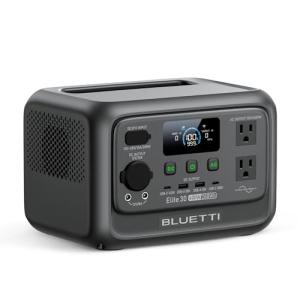
BLUETTI Elite 30 V2 Portable Power Station 60...
Product Review Score
4.3 out of 5 stars
221 reviews$299.00 $219.00
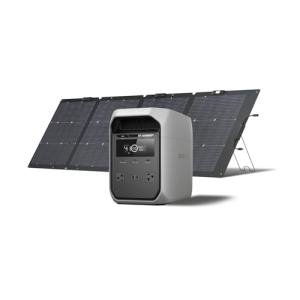
EF ECOFLOW Solar Generator DELTA 3 Classic wi...
Product Review Score
4.72 out of 5 stars
209 reviews$999.00 $599.00
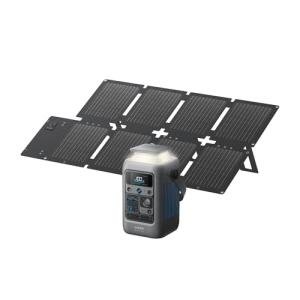
Anker SOLIX C300 DC Power Bank Station and 60...
Product Review Score
4.68 out of 5 stars
190 reviews$369.99 $259.99
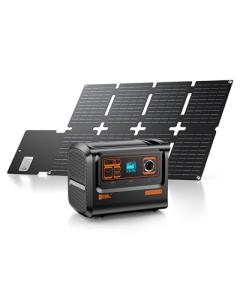
EBL 300W Portable Power Station with 40W Fold...
Product Review Score
4.73 out of 5 stars
150 reviews$299.99
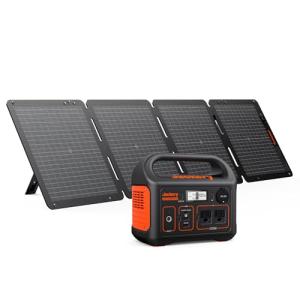
Jackery Solar Generator 300, 293Wh Backup Lit...
Product Review Score
4.52 out of 5 stars
52 reviews$499.00 $369.00
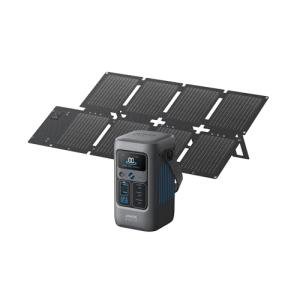
Anker SOLIX C200 DC Power Bank Station and 60...
Product Review Score
4.45 out of 5 stars
57 reviews$259.99 $189.99
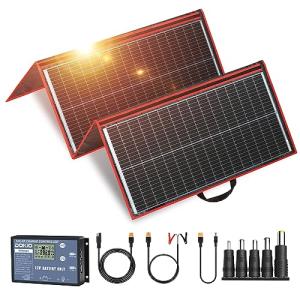
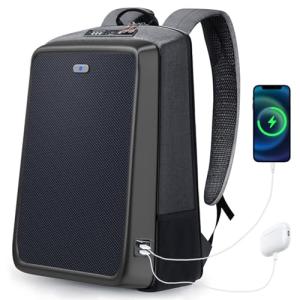
15.6 Inch Travel Laptop Backpack Solar Panel...
Product Review Score
4.58 out of 5 stars
198 reviews$88.99
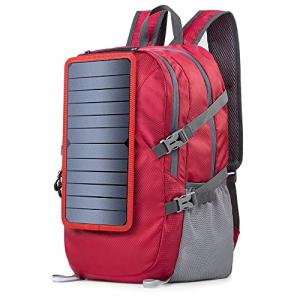
ECEEN Solar Backpack Travel Daypack Lightweig...
Product Review Score
4.93 out of 5 stars
40 reviews$69.99
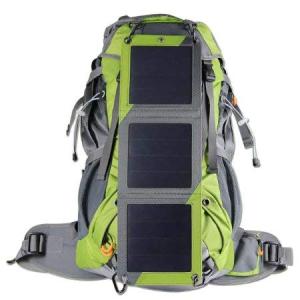
XTPower Xplorer Globetrotter 42 | Ultra Durab...
Product Review Score
4.94 out of 5 stars
138 reviews$59.90
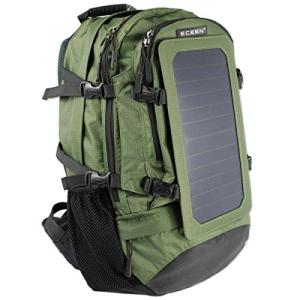
ECEEN Solar Backpack 7 W Solar Panel Charger...
Product Review Score
4.45 out of 5 stars
81 reviews$89.99
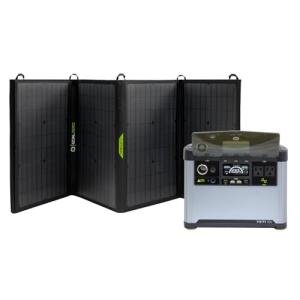
Goal Zero Yeti Portable Power Station, Yeti 7...
Product Review Score
4.17 out of 5 stars
24 reviews$1,099.95
What Are Portable Solar Solutions?
At their core, portable solar solutions are systems that capture sunlight and convert it into usable electricity — electricity you can carry with you, store for later, or use right where you need it most.
The category covers a surprisingly wide range of products. On one end of the spectrum, you have compact solar panels small enough to fold into a backpack pocket and lightweight enough to forget you're carrying them. On the other end, you have robust, high-capacity solar generators capable of running a full-sized refrigerator, a CPAP machine, a power tool, or even a small air conditioning unit for hours at a time.
What unites all of these products is portability and self-sufficiency. Unlike rooftop solar systems that are bolted to your home and tied into the utility grid, portable solar equipment is designed to go where you go — and to deliver power on your terms.
Who Actually Uses Portable Solar?
The honest answer is: more people than you'd expect.
Outdoor adventurers and campers were among the first to adopt portable solar in a big way. When you're spending a week in the wilderness and you need to keep your satellite communicator charged, your camera batteries topped off, and your headlamp ready for the trail, a small, foldable solar panel becomes as essential as a good sleeping bag. Modern panels are lightweight, weather-resistant, and efficient enough that even a few hours of afternoon sun can keep a full complement of devices charged throughout a trip.
Remote workers and digital nomads represent one of the fastest-growing segments. The ability to work from a van, a boat, a remote cabin, or literally a field depends entirely on having reliable power. A portable solar generator paired with a high-quality panel means your laptop, phone, external monitor, and router can stay operational regardless of where the workday takes you.
Emergency preparedness households have embraced portable solar as a cornerstone of their readiness planning. When a storm knocks out power for three days, the families who invested in a solar generator and a few backup panels are the ones who can keep the refrigerator cold, charge communication devices, run medical equipment, and maintain a sense of normalcy during a stressful situation. That kind of security is genuinely hard to put a price on.
RV owners and van lifers rely on portable and semi-portable solar setups to extend their ability to dry camp — that is, park without hookups — for extended periods. A well-designed solar system can mean the difference between spending thirty dollars a night at a campground with electrical access and pulling off on a quiet piece of public land for free.
Contractors and tradespeople working at job sites without established power infrastructure use portable solar generators to run small tools, lighting, and diagnostic equipment without needing to haul a gas generator and a supply of fuel.
The list goes on: boaters, homesteaders, festival vendors, disaster relief organizations, scientific field researchers, and people who simply want to reduce their reliance on fossil fuels for everyday tasks.
The Main Product Types Explained
Portable Solar Panels
These are the input side of any solar setup — the panels that actually capture sunlight and convert it into electrical current. For portable use, they come in a few distinct styles.
Foldable and rollable panels are designed for backpackers and travelers who need maximum efficiency in minimum space. These typically range from 10 watts to 200 watts and fold down flat, often with integrated carrying handles and attachment points for mounting to the outside of a pack. Look for panels rated for water resistance, since you won't always have the luxury of packing up before a cloud burst.
Rigid portable panels sacrifice some portability for efficiency and durability. These are popular with van campers, RV users, and people setting up semi-permanent outdoor workstations. They typically deliver higher wattage and perform better in partial shade conditions than their flexible counterparts.
When evaluating panels, pay attention to the efficiency rating — how much of the available sunlight the panel actually converts into electricity. Higher efficiency means you need less surface area to generate the same power, which matters enormously when space and weight are at a premium.
Portable Solar Generators
A solar generator is really a battery storage system with built-in management electronics and output ports — and when you pair it with solar panels, you get a complete, self-contained power station.
The battery inside stores the electricity generated by your panels during the day, which you can then draw from at night or during cloudy periods. Modern solar generators use lithium iron phosphate (LiFePO4) battery chemistry almost universally now, which offers major advantages over older lithium-ion designs: longer cycle life (often 3,000 to 5,000 full charge cycles before significant degradation), safer thermal behavior, and better performance in temperature extremes.
Output options typically include AC outlets (for standard household appliances), USB-A and USB-C ports (for phones, laptops, and small electronics), 12V DC ports (for car-style accessories), and sometimes even wireless charging pads.
Capacity is measured in watt-hours (Wh). A 500Wh unit will comfortably charge phones and laptops all day. A 2,000Wh unit can run a full-sized refrigerator for most of a day. A 3,000Wh+ system with expandable battery capacity can power an entire small home's critical circuits through a multi-day outage.
Solar Charge Controllers and Accessories
For people building more customized setups — especially for van builds, boat installations, and cabin power systems — solar charge controllers are the brains that regulate how power flows from panels into batteries. They prevent overcharging, optimize charging speed, and protect battery health over thousands of cycles.
Supporting accessories include tilt stands for panels (angling your panel directly at the sun can increase output by 20–40%), MC4 extension cables for positioning panels away from shade, battery interconnects for expanding storage, and inverters for converting DC battery power into AC household current.
How to Choose the Right Portable Solar Setup
The right system depends almost entirely on what you need to power and for how long.
Start with your power budget. List the devices and appliances you want to run and find their wattage ratings (usually printed on the device or in the manual). Multiply wattage by the number of hours you expect to run each device per day. That gives you your daily watt-hour requirement, which tells you roughly what battery capacity you need.
Factor in your charging window. In most locations, you can realistically count on four to six peak sun hours per day for energy generation planning. Divide your daily watt-hour requirement by the expected peak sun hours to get the minimum panel wattage you need. Build in a buffer — 20 to 30 percent more capacity than the math strictly requires — to account for cloudy days, panel temperature losses, and cable inefficiencies.
Think about portability seriously. There's a real tension between capacity and portability. A 3,000Wh generator that can run your refrigerator for two days might weigh 60 or 70 pounds — fine for your garage or the back of a truck, not practical for a camping trip. Be honest about how you'll actually use the system and size accordingly.
Look at expandability. The best portable solar generators allow you to add extra battery units as your needs grow. Starting with a modular system means you're not locked into a fixed capacity forever.
The Real-World Performance of Portable Solar
Modern portable solar equipment is genuinely impressive by the standards of even five years ago. Panel efficiency has improved. Battery chemistry has gotten safer and more durable. Electronics have gotten smarter about managing charge cycles to maximize longevity.
That said, a few realities are worth keeping in mind.
Solar generation is variable. Clouds, shade, panel angle, and time of year all affect output. In overcast conditions, a panel might produce 10 to 30 percent of its rated wattage. Building adequate battery storage to buffer through low-production periods is essential if you're relying on solar as your primary power source.
Temperature affects batteries. Lithium batteries lose capacity in cold weather and can be damaged by charging in freezing temperatures. Most quality generators include low-temperature protection that disables charging below a certain threshold, which is the right call for battery health but can be frustrating mid-winter if you haven't planned for it.
Efficiency ratings are measured under ideal laboratory conditions. Real-world performance will be somewhat lower. This isn't a reason to distrust the ratings — they're still useful for comparison — but it reinforces the value of buying slightly more capacity than your minimum calculations suggest.
Why Portable Solar Is Worth the Investment
The upfront cost of a quality portable solar setup is real. A reliable mid-capacity solar generator and a set of panels represents a meaningful expenditure. But the math starts to make sense quickly when you consider what you're buying.
You're buying resilience — the ability to maintain critical functions when the grid fails. You're buying flexibility — the freedom to camp, work, or travel without being limited by outlet availability. You're buying ongoing savings — charging your devices and running small appliances from free sunlight instead of paying for electricity or buying fuel.
And unlike most consumer electronics, a well-made solar system can last fifteen years or more with reasonable care. The panels in particular have very few failure modes and often carry performance warranties of a decade or longer.
The Future of Portable Power Is Solar
The portable solar category is evolving quickly. Bidirectional charging — where your solar generator can both power your home and serve as a home backup battery that's recharged by your rooftop solar — is becoming increasingly common. Integration with smart home systems, app-based monitoring, and AI-driven power management are all moving from premium features to standard expectations.
What's not changing is the fundamental appeal: the sun puts out an enormous amount of energy every day, and capturing even a tiny fraction of it to power your life is one of the most sensible, low-impact, and genuinely liberating things you can do.
Portable solar solutions aren't a niche product for survivalists or tech enthusiasts anymore. They're practical tools for anyone who values reliability, independence, and the peace of mind that comes from knowing their power supply doesn't depend entirely on decisions made by a utility company.
Browse our full range of portable solar panels, solar generators, accessories, and bundled systems below — and feel free to reach out if you need help sizing a setup for your specific needs.