Portable solar panels are a game changer for anyone who loves the outdoors or just wants to stay powered up on the go. They're lightweight, easy to set up, and perfect for camping trips, road trips, or even just charging your devices in your backyard. Plus, using solar energy means you can enjoy a clean power source while minimizing your impact on the planet.
Portable Solar Panels
Power your adventures with lightweight and efficient solar panels that travel wherever you go
Product List
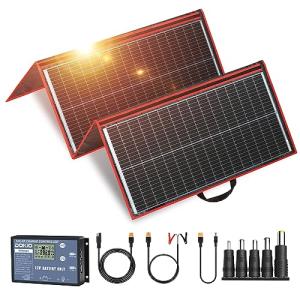
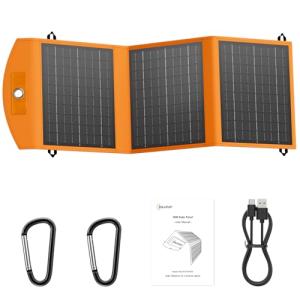
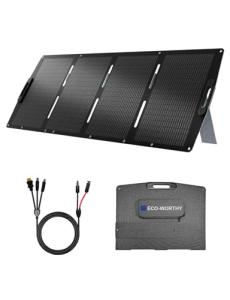
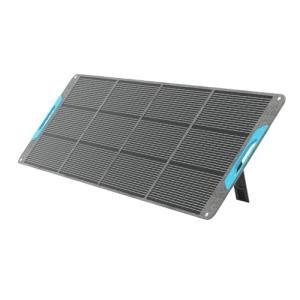
Renogy 200W Portable Solar Charger
Product Review Score
4.73 out of 5 stars
71 reviews$229.99 $199.00
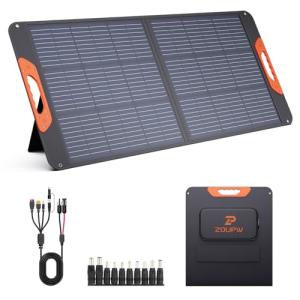
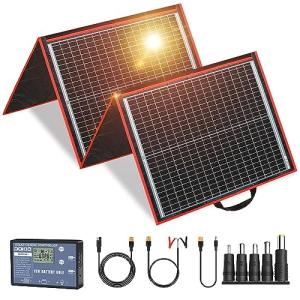
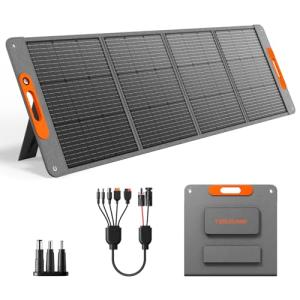
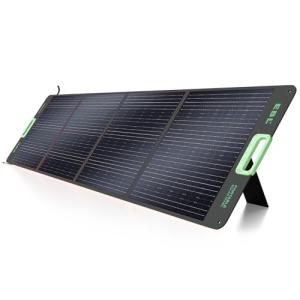
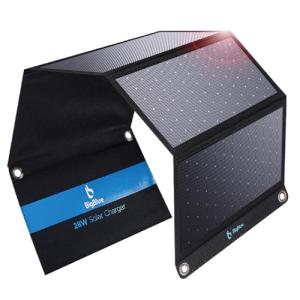
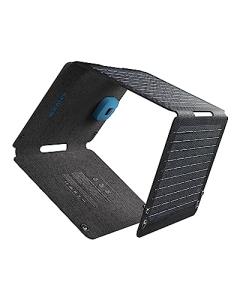
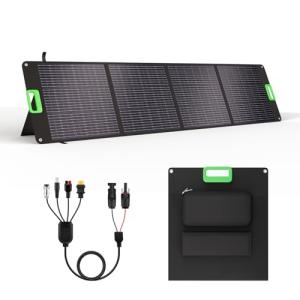
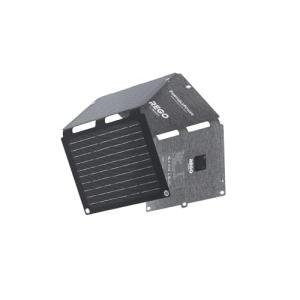
There's something genuinely satisfying about charging your phone in the middle of nowhere — no outlet, no power bank, just sunlight doing its job. Portable solar panels have moved well past the "nice-to-have" stage. Whether you're a weekend camper, a full-time van lifer, a disaster-preparedness planner, or someone who just hates running out of battery at an outdoor festival, these compact power solutions have become an essential piece of modern gear.
What Are Portable Solar Panels, Exactly?
At their core, portable solar panels work the same way as the big panels bolted to rooftops — they convert sunlight into electricity through photovoltaic cells. The difference is in the form factor. Portable panels are designed to fold up, pack flat, roll up, or clip onto a backpack. They're built for people on the move.
Most portable panels output electricity as DC power, which gets funneled directly into a battery pack, power station, or device through a USB port or DC connector. Some include built-in charge controllers to prevent overcharging. Others are bare-bones and rely on the device they're feeding to handle the regulation.
The wattage range is wide — from tiny 5W panels barely bigger than a book, all the way to 200W+ folding arrays that can seriously power a campsite. The sweet spot for most people lands somewhere between 60W and 120W: powerful enough to charge a laptop and keep your phone alive, but still packable enough to throw in the car or strap to a bag.
The Main Types of Portable Solar Panels
Not all portable panels are built the same way, and the differences matter more than you might think.
Monocrystalline Panels
These are the gold standard for portable solar right now. Monocrystalline cells are cut from a single silicon crystal, which gives them a higher purity and, as a result, better efficiency — typically between 20% and 24%. That means they generate more power per square inch than other types, which is a big deal when you're trying to keep the panel small and light.
The trade-off is cost. Monocrystalline panels are more expensive to manufacture, and that cost gets passed on to you. But for most people buying portable solar gear, the efficiency gains are absolutely worth the price premium. You're getting more power in a smaller, lighter package.
Polycrystalline Panels
Polycrystalline panels are made from multiple silicon crystal fragments melted together. They're slightly less efficient (typically 15%–18%) and have a recognizable blue, speckled appearance. They're also cheaper to make, so they tend to show up on budget-oriented panels.
If weight and size aren't primary concerns and you're working with a tight budget, polycrystalline panels are a reasonable option. But for backpackers and travelers where every ounce counts, the efficiency gap becomes a real practical issue.
Thin-Film and Flexible Panels
Thin-film panels are a different beast entirely. Instead of rigid silicon cells, they use a flexible semiconductor material applied directly to a substrate. This makes them genuinely rollable, bendable, and incredibly lightweight. Some are designed to drape over a tent, wrap around a curved surface, or lay flat in a frameless, fabric-like format.
The efficiency on thin-film is lower — usually in the 10%–13% range — but the flexibility and weight profile open up applications that rigid panels simply can't serve. They're particularly popular for sailboats, tent camping, and any use case where conforming to a surface matters.
What to Look for When Buying
Shopping for portable solar panels involves a handful of key specs that are worth understanding before you spend any money.
Wattage (Output Power)
Wattage tells you how much power the panel can theoretically produce under ideal conditions (full sun, panel perpendicular to the sun, at 25°C). Real-world output is typically 70%–80% of rated wattage. So a 100W panel realistically delivers around 70–80W on a good day.
Think about what you need to charge. A smartphone needs around 15–25W. A laptop might need 45–65W. A portable fridge draws around 40–60W. A small power station typically takes 3–6 hours to fully charge from a matched panel. Match your panel wattage to your actual power demands — don't just buy the biggest one and hope for the best.
Efficiency Rating
Efficiency is the percentage of sunlight that gets converted into usable electricity. Higher efficiency means the panel produces more power from the same amount of light in the same physical footprint. This matters most when size and weight are constrained.
Weight and Packed Dimensions
A 200W panel that folds down to a manageable size and weighs under 10 pounds is very different from a rigid 200W panel that requires a roof rack. Check both the folded dimensions and the weight. If you're backpacking, anything over 2–3 pounds per panel becomes a real consideration.
Charging Ports and Compatibility
Modern portable solar panels come with a variety of output options. USB-A and USB-C ports (especially USB-C Power Delivery) let you charge devices directly without any additional hardware. Anderson Powerpole, DC barrel, and MC4 connectors are used for connecting to power stations and larger battery systems.
If you already own a power station or battery bank, check that the panel's connectors and voltage output are compatible before buying. Most quality panels include a range of adapter cables, but it's better to verify upfront.
Durability and Weather Resistance
Portable solar panels spend time outdoors. Look for panels with an IP rating (Ingress Protection) if weather resistance matters to you. IP67 or IP68 means the panel can handle rain and brief submersion. Junction boxes — the part of the panel that houses the wiring connections — should be rated for water resistance at minimum.
The panel surface itself should be scratch-resistant. Tempered glass panels are more durable but heavier. ETFE (ethylene tetrafluoroethylene) laminate is commonly used on foldable panels — it's lightweight, very durable, and resists UV degradation better than standard PET plastic coatings.
Built-in Charge Controllers
Some portable panels include a built-in MPPT (Maximum Power Point Tracking) or PWM (Pulse Width Modulation) charge controller. These circuits optimize the energy transfer to your battery and prevent overcharging. If you're connecting directly to a bare lithium battery or a simple lead-acid battery, this matters. If you're feeding a modern power station, it usually has its own charge controller built in.
How to Get the Most Out of Your Portable Solar Panel
Getting the rated wattage out of a portable panel isn't automatic — a few habits make a big difference.
Point it at the sun, not the sky. Direct angle to the sun is everything. A panel lying flat on the ground while the sun is at a 45° angle is leaving serious power on the table. Use the built-in kickstand or a prop to angle the panel perpendicular to the sun's rays.
Move it as the sun moves. Portable solar panels aren't set-and-forget like rooftop systems. Adjusting orientation every hour or two throughout the day can meaningfully increase your total energy harvest.
Keep it in full sun. Even partial shading — a branch, a shadow from a tent, anything — can disproportionately reduce output. Most panels use series-wired cells, meaning one shaded cell throttles the entire panel. Some premium panels use parallel wiring or bypass diodes to minimize this effect, but avoiding shade entirely is always the better move.
Keep the surface clean. Dust, bird droppings, and smudges reduce efficiency. A quick wipe with a damp cloth makes a noticeable difference after a few days outdoors.
Use quality cables. Thin or damaged cables cause resistance losses. If you notice your panel producing less than expected, the cable is often the culprit.
Portable Solar Panels for Different Use Cases
Backpacking and Hiking
Ultra-light, small-format panels in the 10W–30W range are the right fit here. Weight is the primary constraint. A 10W panel can keep a smartphone and GPS charged on multi-day trips. Look for panels with integrated fabric sleeves that attach to the outside of a pack.
Car Camping and Road Trips
This is where the sweet spot of 60W–120W foldable panels shines. You have space in the car, and the goal is comfortable power at camp — lights, a phone, a laptop, maybe a small fridge. Pair a 100W panel with a 500Wh–1000Wh portable power station and you have a solid off-grid setup.
Van Life and Overlanding
Larger foldable or semi-rigid panels in the 160W–300W range are appropriate for extended van life setups. These pair with substantial battery banks (often 100Ah+ lithium) to run a full complement of appliances. Some van lifers use a portable panel to supplement fixed rooftop panels on cloudy days or when parked in shade.
Emergency Preparedness
Portable solar panels are increasingly popular as emergency backup power for outages. A 100W–200W panel plus a 1000Wh+ power station is enough to run a refrigerator for several hours, keep communications devices charged, and provide lighting through an extended outage.
International Travel
Compact, high-efficiency panels with USB-C PD outputs are ideal for international travelers who want to keep devices charged without hunting for outlets. Look for wide-input voltage compatibility and universal output options.
Common Questions About Portable Solar Panels
Do they work on cloudy days? Yes, but with significantly reduced output — typically 10%–25% of rated capacity, depending on cloud density. Thin, high-altitude cloud cover has less impact than thick overcast.
Can I leave them out overnight? You can leave the panel out, but most panels won't charge in low-light or artificial lighting situations. More importantly, leaving connectors exposed to moisture overnight isn't ideal. Fold them up when not in use.
Are they safe to leave unattended while charging? Generally yes, especially when feeding a power station with its own charge management circuitry. Be more careful with direct battery charging setups without a charge controller.
How long do portable solar panels last? Quality panels from reputable manufacturers typically carry 2–5 year warranties and are rated for 10+ years of use with normal care. The cells themselves degrade slowly — most are rated to retain 80%+ efficiency after 25 years.
Portable solar panels aren't magic — they won't power an entire house or charge an electric vehicle. But within their intended range of use, they're remarkably capable, increasingly affordable, and genuinely liberating. The ability to generate your own power from sunlight, wherever you happen to be, solves a real problem in a clean and elegant way.
The best panel for you depends on your actual use case: how much power you need, how much weight you can carry, and what kind of conditions you'll be operating in. Start with honest answers to those questions, match the spec sheet to your real-world needs, and you'll find a setup that works reliably for years.
The sun shows up pretty much every day. You might as well put it to work.