Solar backpacks are a game changer for anyone who loves the outdoors or needs to stay connected on the go. With built-in solar panels, these bags can charge your devices while you hike, camp, or just hang out in the park. They're practical, eco-friendly, and perfect for anyone who wants to harness the sun's power wherever they are.
Solar Backpacks
Get ready to charge your devices on the go with these innovative solar-powered backpacks
Product List
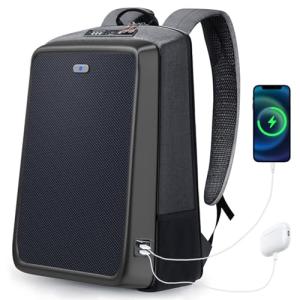
15.6 Inch Travel Laptop Backpack Solar Panel...
Product Review Score
4.58 out of 5 stars
198 reviews$88.99
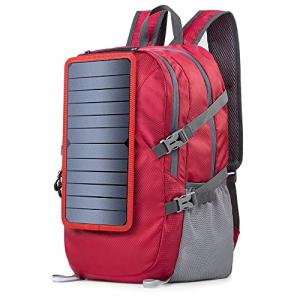
ECEEN Solar Backpack Travel Daypack Lightweig...
Product Review Score
4.93 out of 5 stars
40 reviews$69.99
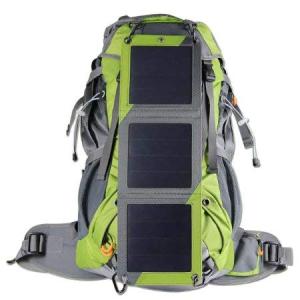
XTPower Xplorer Globetrotter 42 | Ultra Durab...
Product Review Score
4.94 out of 5 stars
138 reviews$59.90
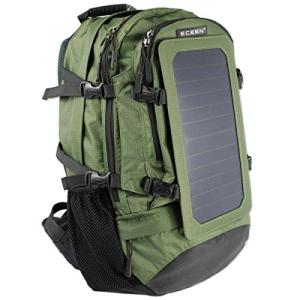
ECEEN Solar Backpack 7 W Solar Panel Charger...
Product Review Score
4.45 out of 5 stars
81 reviews$89.99
What Exactly Is a Solar Backpack?
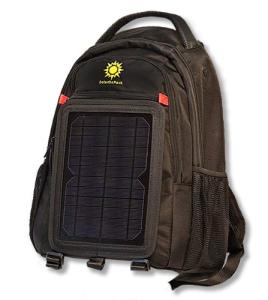
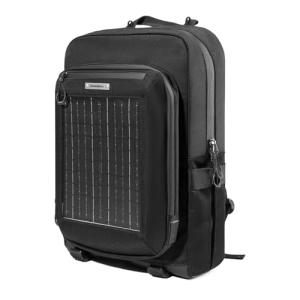
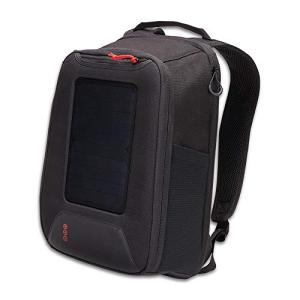
A solar backpack is a bag fitted with one or more photovoltaic (PV) panels on its exterior — typically across the top flap or back panel — that capture sunlight and convert it into electricity. That electricity is either stored in a built-in battery pack for use later, or passed directly to connected devices through USB ports. Think of it as wearing a portable power station that recharges itself for free, every single day you step outside.
The concept isn't new, but the technology has matured dramatically over the past several years. Early solar bags were clunky, heavy, and barely generated enough power to trickle-charge a phone over an entire sunny day. Today's solar backpacks are a different story entirely — the panels are thinner and more efficient, the bags themselves are lighter and better organized, and the overall charging performance is actually useful in the real world.
How Solar Backpacks Work
The core technology inside a solar backpack is surprisingly straightforward. Monocrystalline or polycrystalline solar cells are laminated onto a flexible or semi-rigid panel, which is then sewn or attached to the bag's exterior. These cells capture photons from sunlight and generate a direct current (DC) flow of electricity.
Most solar backpacks route this electricity through a charge controller — a small circuit that manages voltage and prevents overcharging — before it reaches either an integrated lithium battery or the USB output ports directly. When the sun is strong and you're plugged in, you can charge your phone or headphones in real time. When you're not connected, the energy flows into the built-in battery, which you can tap into later, even after dark.
The wattage of solar panels on backpacks typically ranges from about 5W on entry-level models to 20W or more on premium adventure-focused bags. Panel efficiency — the percentage of sunlight actually converted to usable electricity — sits between 15% and 25% for most consumer-grade bags, with the best monocrystalline panels approaching the higher end of that range.
Who Actually Uses Solar Backpacks?
The honest answer is: a much broader range of people than you might expect. Solar backpacks aren't just for off-grid ultralight hikers who disappear into the wilderness for weeks at a time. The use cases are genuinely wide.
Outdoor adventurers and hikers are still the core audience. If you're spending full days on trails, you're likely carrying a phone for navigation, a camera, maybe a GPS unit, and a set of earbuds. Running out of battery is more than inconvenient — in remote areas, it can be a real safety concern. A solar backpack solves this quietly in the background while you focus on the trail ahead.
Commuters in sunny climates have discovered that a solar backpack sitting in a window seat or left outside during a lunch break can top up their phone meaningfully over the course of a workday. It's not dramatic, but over weeks and months, never paying for that charge adds up — both financially and in the small psychological comfort of always having a buffer.
Travelers and digital nomads love them for the freedom from hunting down outlets in airports, cafes, and hostels. When you're moving through multiple cities in a week, knowing your backpack is quietly working on your behalf while you explore a market or sit in a park is genuinely satisfying.
Students and campus commuters use them as practical everyday bags that happen to keep their laptops and tablets charged through long campus days. The bags work especially well in outdoor environments where carrying the bag between classes means regular sun exposure throughout the day.
Emergency preparedness enthusiasts keep solar backpacks as part of their go-bags, appreciating that in the event of a power outage or emergency, they have a renewable charging source that doesn't depend on any infrastructure at all.
Key Features to Look For
Not all solar backpacks are created equal. The market has expanded enough that there's a real range from genuinely useful to disappointing. Here's what separates a great solar backpack from a mediocre one.
Panel Quality and Wattage
This is the most important factor in actual charging performance. Monocrystalline panels are more efficient and perform better in partial shade than polycrystalline alternatives, making them worth the slightly higher price. Look for at least 10W if you want meaningful charging speeds — anything below 5W will struggle to keep pace with a phone's battery consumption if you're actively using it.
Integrated Battery Capacity
Many solar backpacks include a removable or built-in power bank, often ranging from 5,000mAh to 20,000mAh. This battery acts as a buffer, storing energy throughout the day so you can charge devices at night or during cloudy periods. A capacity of 10,000mAh is enough to fully charge most smartphones two to three times, which covers most people's daily needs comfortably.
USB Output Ports and Compatibility
Look for USB-A and USB-C output ports, ideally with at least one port supporting fast charging (18W or higher). Some premium models include power delivery (PD) support, which can charge modern laptops and tablets at meaningful speeds — a significant upgrade over basic USB-A charging.
Build Quality and Weather Resistance
Outdoor use means exposure to the elements. A good solar backpack should have water-resistant materials, reinforced stitching, and ideally an IPX rating for splash resistance. The solar panels themselves should be protected with a durable, UV-resistant coating since they're going to spend a lot of time in direct sunlight.
Weight and Comfort
Solar panels add weight. A bag that's genuinely comfortable to wear all day needs good shoulder strap padding, a chest strap, and ideally a hip belt for heavier loads. The best solar backpacks keep total weight (bag plus panels plus battery) under two kilograms when empty — anything heavier starts to feel like a punishment on longer outings.
Interior Organization
The best solar backpacks don't sacrifice interior usability for their charging features. Look for a dedicated laptop sleeve (15-inch compatibility is the current standard), multiple organizational pockets, and easy access to the charging ports from the side or top of the bag.
Solar Backpack Sizing: Finding Your Fit
Solar backpacks come in a range of capacities, and the right size depends heavily on how you plan to use it.
10–20 liters suits daily commuters and students who carry a laptop, some documents, and personal items. These bags tend to be lighter and more streamlined in appearance, making them easy to use in urban settings without looking overtly "outdoorsy."
20–35 liters is the sweet spot for most users — large enough for a full day of hiking or a multi-day work trip, without being unwieldy. This size range has the broadest selection of solar backpacks and tends to offer the best balance of features and comfort.
35–50 liters is territory for serious trekking, multi-day adventures, or travelers who need to carry substantial gear. Bags in this range often feature external panel attachments or multiple panels and can generate considerably more power throughout a full day outdoors.
Charging Performance: Real-World Expectations
It's worth being honest about what solar backpacks can and can't do. Marketing materials sometimes imply that simply wearing a solar backpack will keep all your devices perpetually charged. The reality is more nuanced — and still genuinely useful.
On a clear, sunny day with the panel facing the sun, a 10W panel can generate roughly 40–60Wh of energy over a full day. That's enough to fully charge most smartphones once or twice, or partially charge a tablet. In practice, because you're walking and the panel angle changes constantly, real-world output is typically 50–70% of theoretical maximum.
Cloudy conditions reduce output significantly — you might get 10–20% of peak performance on an overcast day. This isn't a dealbreaker, but it does mean that solar backpacks work best as a supplement to occasional outlet charging rather than a complete replacement for it.
The bags work best when they're doing double duty: worn or placed in direct sun during outdoor activities while you're using your devices moderately. Under these conditions, a good solar backpack can genuinely extend a day of device use without ever needing to find a plug.
Sustainability and the Bigger Picture
Beyond the personal convenience, there's something worth acknowledging about the broader appeal of solar backpacks. Every kilowatt-hour generated by a personal solar panel is one that didn't come from a coal-fired power plant or a battery charged at a gas station. The individual contribution is modest, but the aggregate effect of millions of small solar products in everyday use is meaningful.
Solar backpacks also have a longer useful life than conventional bags in one important sense: their core value proposition doesn't depreciate the way a fashion-forward bag might. A bag that charges your phone in year one will still charge your phone in year five. The solar technology is passive, has no moving parts, and requires essentially no maintenance beyond keeping the panels clean.
For environmentally conscious consumers, solar backpacks represent a genuinely principled purchase — not just a green-colored consumer product, but something that actually reduces grid electricity consumption in a small but real way.
Caring for Your Solar Backpack
Maintenance is minimal. Keep the panels clean — dust and grime reduce efficiency measurably, and a soft damp cloth is all you need to restore performance. Store the bag away from prolonged extreme heat when not in use, as lithium batteries degrade faster at high temperatures. If the bag has a removable battery, charge it fully before extended storage.
The panels themselves are quite durable and resistant to minor scratches, but sharp impacts can crack the cells, so avoid throwing the bag onto rough surfaces. Treat it with the same care you'd give a good laptop bag, and a quality solar backpack will last for many years of daily use.
Solar backpacks occupy an interesting space in the gear world — they're practical enough for everyday use, rugged enough for serious outdoor adventures, and smart enough for travelers who've learned that independence from outlets is a form of freedom worth carrying on your back. The technology has matured to the point where the question isn't really whether a solar backpack is useful, but which one fits your life best.
Whether you're heading into the backcountry for a week or just tired of hunting for a free outlet at the airport, there's a solar backpack designed for exactly how you move through the world. Browse the selection below to find the right one for you.